
Content Marketing 101: How to Build a Strategy That Generates Leads on Autopilot
This guide explains the essential components of developing an effective content marketing strategy for business, including audience research, keyword planning, content creation, promotion, measurement, and optimization.
Introduction
A successful content marketing strategy for business is more than simply publishing blogs or posting on social media. It is a structured approach that helps companies attract the right audience, build trust, increase brand visibility, and convert prospects into loyal customers.
Businesses today compete in a crowded digital marketplace where customers research, compare, and evaluate brands before making purchasing decisions. A well-planned content strategy allows businesses to provide valuable information at every stage of the customer journey while improving search engine rankings and generating consistent organic traffic.
What Content Marketing Actually Is
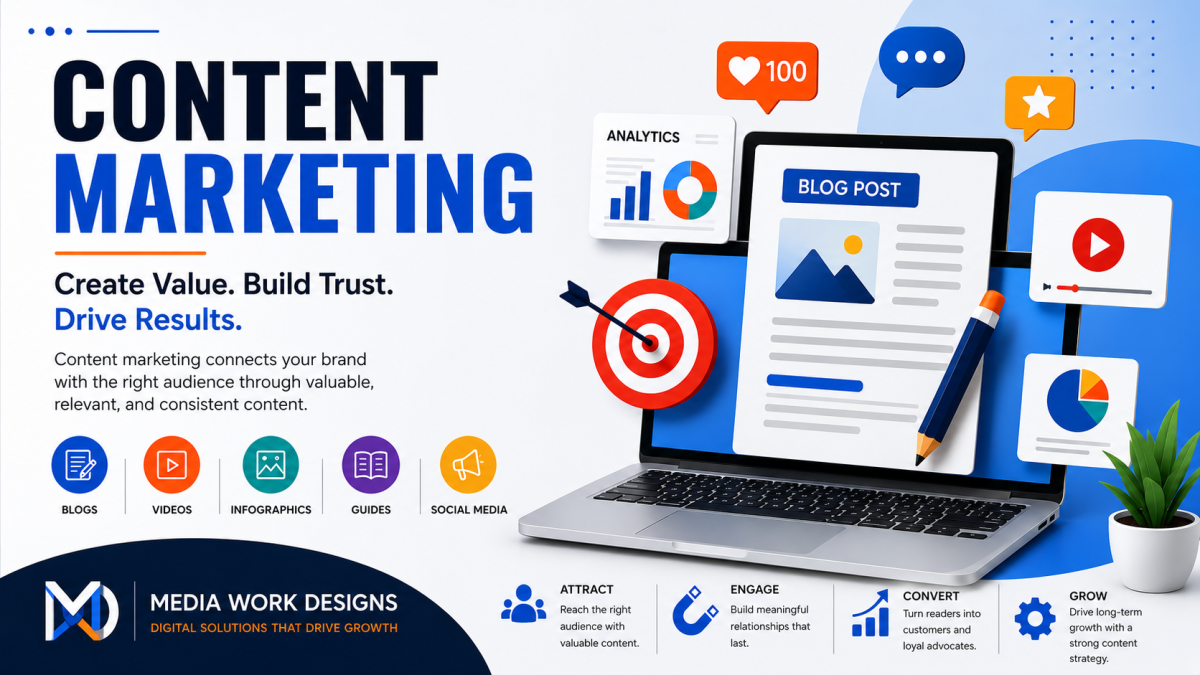
Content marketing is a strategic marketing approach focused on creating, publishing, and distributing valuable content to attract and engage a specific target audience. Instead of directly promoting products or services, content marketing focuses on solving customer problems, answering questions, and providing useful information.
For businesses, content marketing helps establish authority, improve online visibility, and create meaningful relationships with potential customers.
A strong business content marketing strategy typically includes:
- Understanding customer needs
- Creating valuable and relevant content
- Optimizing content for search engines
- Promoting content through multiple channels
- Measuring results and improving performance
Why Content Marketing Matters for Businesses
Modern consumers prefer brands that educate rather than simply advertise. Businesses that consistently publish helpful content can build credibility and influence buying decisions.
Benefits of content marketing include:
1. Increased Brand Awareness
High-quality content helps businesses appear in search results, social media feeds, and industry discussions. Over time, consistent publishing increases brand recognition.
2. More Organic Website Traffic
SEO-focused content allows businesses to rank for valuable search terms and attract visitors actively searching for solutions.
3. Improved Customer Trust
Educational content demonstrates expertise and helps customers feel confident choosing your brand.
4. Higher Conversion Rates
Content can guide customers through the buying process by addressing concerns, explaining solutions, and highlighting benefits.
Defining Your Target Audience
Understanding your audience is the foundation of every successful content marketing strategy for business. Without knowing who you are creating content for, even high-quality content may fail to generate results.
Your target audience includes the specific group of people most likely to need your products or services.
How to Define Your Target Audience
1. Create Customer Personas
Customer personas represent your ideal customers and include details such as:
- Age range
- Location
- Job role
- Industry
- Goals
- Challenges
- Buying behavior
- Preferred content formats
For example, a digital marketing agency may target:
Business Owner Persona
- Runs a small business
- Wants more online leads
- Has limited marketing knowledge
- Needs affordable digital solutions
2. Understand Customer Pain Points
Effective content solves real problems. Research questions your customers frequently ask and create content that provides practical solutions.
Examples:
Instead of writing:
“Why Our SEO Service Is Best”
Create:
“How Small Businesses Can Improve Google Rankings Without Increasing Their Budget”
3. Analyze Audience Behavior
Use tools such as:
- Google Analytics
- Search Console
- Social media insights
- Customer surveys
- Competitor research
These insights help identify what content your audience finds valuable.
Keyword Research for Content Strategy
Keyword research is a critical part of developing a successful content marketing strategy for business because it helps businesses understand what their audience searches for online.
The goal is to identify keywords that have search demand and match customer intent.
Types of Keywords Businesses Should Target
1. Informational Keywords
Users search for these keywords when looking for knowledge.
Examples:
- What is content marketing?
- How does SEO work?
- Benefits of email marketing
2. Commercial Keywords
Users researching solutions use these keywords.
Examples:
- Best digital marketing agency
- SEO services for small businesses
- Content marketing tools
3. Transactional Keywords
These indicate buying intent.
Examples:
- Hire content marketing agency
- Buy SEO services
- Marketing consultation services
Effective Keyword Research Process
Step 1: Identify Your Business Topics
Create a list of topics related to your industry.
Example:
A web design company may target:
- Website development
- SEO
- Digital marketing
- Branding
Step 2: Find Keyword Opportunities
Use keyword research tools such as:
- Google Keyword Planner
- Ahrefs
- SEMrush
- Ubersuggest
Step 3: Analyze Search Intent
Always understand why users search for a keyword.
A keyword with high search volume but incorrect intent may not generate business results.
Content Types That Drive Business Results
Different content formats serve different marketing goals. A successful content strategy for business growth uses multiple content types to attract, educate, and convert customers.
1. Blog Articles
Blogs are one of the most effective ways to improve SEO and attract organic visitors.
Examples:
- How-to guides
- Industry trends
- Comparison articles
- Case studies
2. Case Studies
Case studies show real results and build credibility.
Example:
“How We Increased Website Traffic by 200% Through SEO”
3. Videos
Video content improves engagement and helps businesses explain complex topics quickly.
Popular formats include:
- Tutorials
- Product demonstrations
- Customer testimonials
- Educational videos
4. Infographics
Infographics simplify information and increase content sharing.
5. Email Content
Email marketing helps businesses nurture leads and maintain customer relationships.
Building a Content Calendar
A content calendar helps businesses organize, schedule, and manage their publishing activities.
Without planning, content creation becomes inconsistent and difficult to maintain.
Elements of an Effective Content Calendar
A professional content calendar should include:
- Content topic
- Target keyword
- Content format
- Publishing date
- Marketing channel
- Content owner
- Promotion plan
Writing Blog Posts That Rank and Convert
Creating blog content requires more than adding keywords. Successful content must satisfy search intent while providing real value.
SEO-Friendly Blog Writing Practices
Create Strong Headlines
A headline should clearly communicate value.
Example:
Weak:
“Content Marketing Tips”
Strong:
“10 Content Marketing Strategies Businesses Can Use to Generate More Leads”
Optimize Content Structure
Use:
- Clear headings
- Short paragraphs
- Bullet points
- Images
- Internal links
Include Strong Calls-to-Action
Every article should guide readers toward the next step.
Examples:
- Download a guide
- Contact your business
- Subscribe to updates
- Request a consultation
Repurposing Content Across Channels
Content repurposing allows businesses to maximize the value of existing content.
A single blog post can become multiple marketing assets.
Example:
A blog article about SEO can become:
- LinkedIn posts
- Instagram carousel
- YouTube video
- Email newsletter
- Infographic
Benefits of Content Repurposing
- Saves time
- Expands audience reach
- Improves brand consistency
- Increases engagement
Promoting Your Content for Maximum Reach
Publishing content is only the first step. Businesses need effective promotion strategies to reach their audience.
Content Promotion Channels
Search Engine Optimization
Optimize content to attract organic visitors from Google.
Social Media Marketing
Share content across platforms where your audience spends time.
Email Marketing
Send valuable content directly to subscribers.
Paid Advertising
Promote high-performing content using:
- Google Ads
- Social media advertising
- Sponsored campaigns
Content Marketing KPIs and Metrics
Tracking performance helps businesses understand whether their content strategy is working.
Important content marketing metrics include:
Website Traffic
Measures how many visitors content attracts.
Organic Rankings
Shows how well content performs in search engines.
Engagement Rate
Tracks:
- Time on page
- Comments
- Shares
- Likes
Conversion Rate
Measures how many visitors complete desired actions.
Examples:
- Contact form submissions
- Purchases
- Newsletter signups
Return on Investment (ROI)
Businesses should evaluate whether content generates measurable revenue.
Common Content Marketing Mistakes
Many businesses struggle with content marketing because they focus on quantity instead of strategy.
1. Creating Content Without Research
Publishing random topics without understanding audience needs leads to poor results.
Solution: Research customer problems and search behavior first.
2. Ignoring SEO
Great content needs visibility.
Solution: Optimize content with keywords, internal links, and proper structure.
3. Inconsistent Publishing
Posting occasionally makes it difficult to build momentum.
Solution: Follow a realistic publishing schedule.
4. Focusing Only on Promotion
Constantly selling reduces audience trust.
Solution: Balance promotional content with educational and helpful resources.
5. Not Measuring Results
Without tracking performance, businesses cannot improve.
Solution: Monitor analytics and adjust strategy regularly.
Conclusion
A successful content marketing strategy for business requires planning, research, consistency, and continuous improvement. Businesses that understand their audience, create valuable content, optimize for search engines, and measure performance can build long-term digital growth. Contact Media Work Designs for a free consultation.