
Email Marketing Best Practices: How to Build a List That Converts in 2026
Introduction
Email marketing delivers $42 ROI for every $1 spent — outperforming every other digital marketing channel. Yet most small businesses either don't do email marketing or do it poorly. Here's how to build an email list and a strategy that actually converts subscribers into customers.
Why Email Marketing Still Leads Digital Marketing
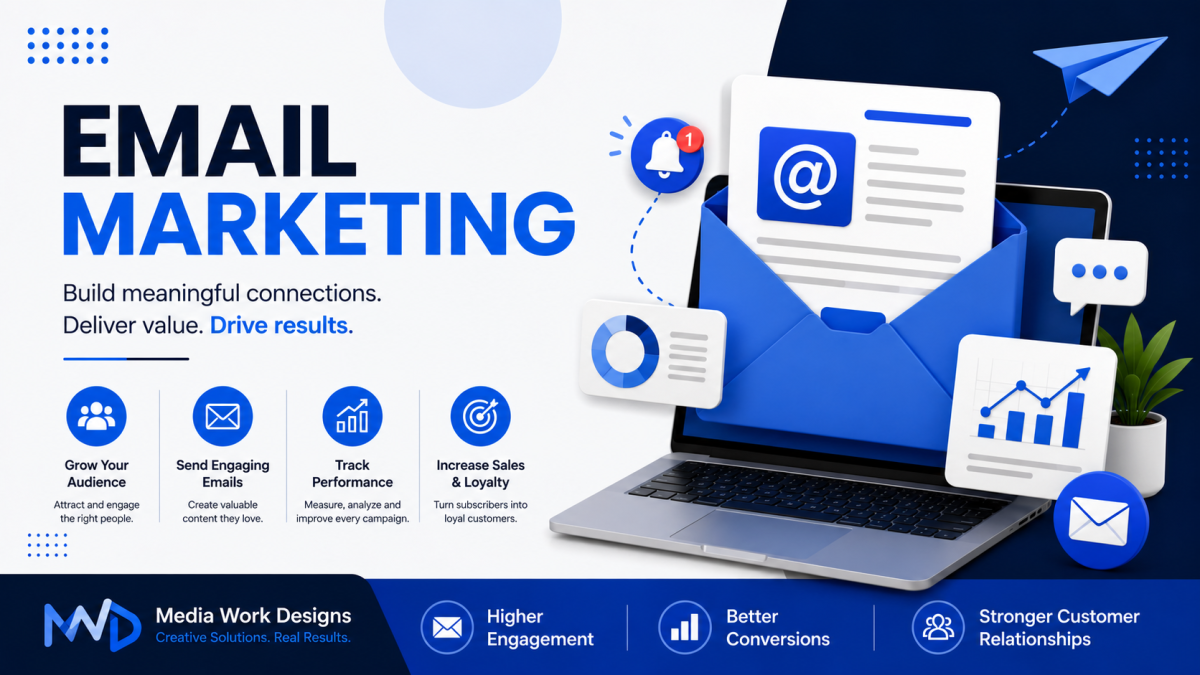
Email marketing continues to be one of the most powerful and dependable digital marketing channels. Unlike social media platforms that rely on ever-changing algorithms, email provides businesses with a direct line of communication to their audience. It enables personalized messaging, strengthens customer relationships, and consistently delivers one of the highest returns on investment (ROI). By implementing effective email marketing best practices, businesses can improve engagement, increase conversions, and foster long-term customer loyalty.
Building Your Email List the Right Way
A successful email marketing strategy starts with growing your subscriber list ethically. Focus on attracting people who genuinely want to receive your emails instead of purchasing contact lists or using misleading tactics. Offer clear value during the sign-up process, obtain proper consent, and make it easy for subscribers to manage their preferences or unsubscribe. An engaged, permission-based email list leads to better deliverability, higher open rates, and stronger customer trust.
Lead Magnets That Deliver Results in 2026
Lead magnets remain one of the most effective methods for attracting new subscribers. Valuable resources such as eBooks, checklists, templates, webinars, free trials, exclusive discounts, and industry reports encourage visitors to exchange their contact information. The most successful lead magnets solve a specific problem, provide immediate value, and naturally introduce prospects to your products or services.
Selecting the Best Email Marketing Platform
Choosing the right email marketing platform is essential for creating efficient and scalable campaigns. Look for a solution that offers user-friendly email builders, automation capabilities, audience segmentation, analytics, A/B testing, CRM integrations, and personalization features. Selecting a platform that aligns with your business goals will simplify campaign management while supporting future growth.
Creating an Effective Welcome Email Sequence
Your welcome sequence is one of the most valuable automated campaigns in your email marketing strategy. New subscribers are highly engaged immediately after joining your list, making it the perfect opportunity to introduce your brand, set expectations, and build credibility. A well-structured welcome series can educate subscribers, showcase your expertise, and encourage them to take their first meaningful action.
Understanding Newsletters vs. Promotional Emails
Although both serve important purposes, newsletters and promotional emails have different objectives. Newsletters focus on delivering valuable information, educational content, company updates, and industry insights to keep subscribers engaged. Promotional emails, on the other hand, are designed to drive sales through special offers, product launches, discounts, and limited-time campaigns. Maintaining a balance between the two helps strengthen customer relationships while maximizing conversions.
Segmenting Your Email Audience
Audience segmentation allows businesses to send highly relevant content to different groups of subscribers based on their interests, behaviors, purchase history, demographics, or engagement levels. Instead of sending the same message to everyone, segmentation ensures subscribers receive content that matches their needs, resulting in improved open rates, click-through rates, and overall campaign performance.
Writing Subject Lines That Increase Open Rates
The subject line is the first impression of your email and significantly influences whether subscribers choose to open it. Effective subject lines are concise, relevant, personalized, and create curiosity without being misleading. Testing different subject lines through A/B testing can help identify which messaging resonates most with your audience and improves campaign performance.
Streamlining Campaigns with Email Automation
Email automation enables businesses to deliver timely and personalized messages without manual effort. Automated workflows such as welcome emails, abandoned cart reminders, lead nurturing sequences, post-purchase follow-ups, birthday greetings, and re-engagement campaigns help maintain consistent communication throughout the customer journey. Automation improves efficiency while enhancing the overall customer experience.
Measuring Email Marketing Performance
Tracking key performance metrics is essential for optimizing your email marketing strategy. Monitoring data such as delivery rates, open rates, click-through rates, conversions, bounce rates, unsubscribe rates, and overall ROI provides valuable insights into campaign effectiveness. Regular analysis allows businesses to identify strengths, address weaknesses, and continuously improve future email campaigns for better results.
Conclusion
Implementing proven email marketing best practices enables businesses to build stronger customer relationships, increase engagement, and drive sustainable growth. By focusing on ethical list building, valuable content, audience segmentation, automation, and continuous performance analysis, businesses can create email campaigns that consistently deliver measurable results. Contact Media Work Designs for a free consultation.